What Is Matcha? History, Health Benefits, Grades, and How to Use It
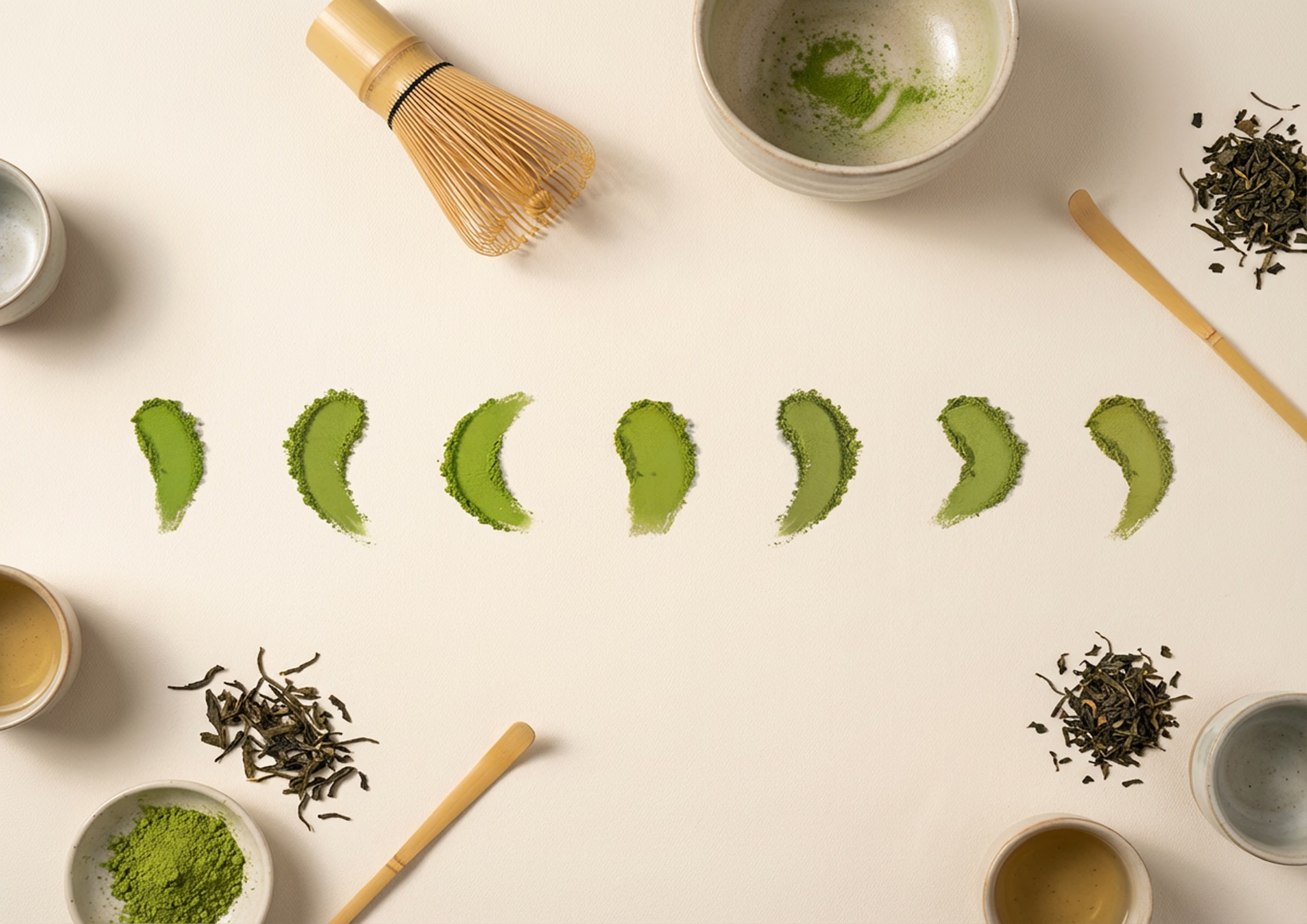
Matcha is more than just a green powder — it's a centuries-old tradition, a functional superfood, and one of the fastest-growing ingredients in the global beverage industry. Whether you're a café owner, wellness brand, or simply someone who wants a better morning ritual, understanding matcha starts here.
A Brief History of Matcha
Matcha originates from China, where Buddhist monks first ground tea leaves into fine powder over a thousand years ago. The practice was later brought to Japan, where it became central to the Japanese tea ceremony (chanoyu) — a ritualistic practice emphasising mindfulness, respect and simplicity.
Today, matcha has evolved far beyond ceremonies. It's a global ingredient found in lattes, smoothies, baked goods, ice cream, and functional supplements — consumed daily by millions of people worldwide.
How Matcha Is Made
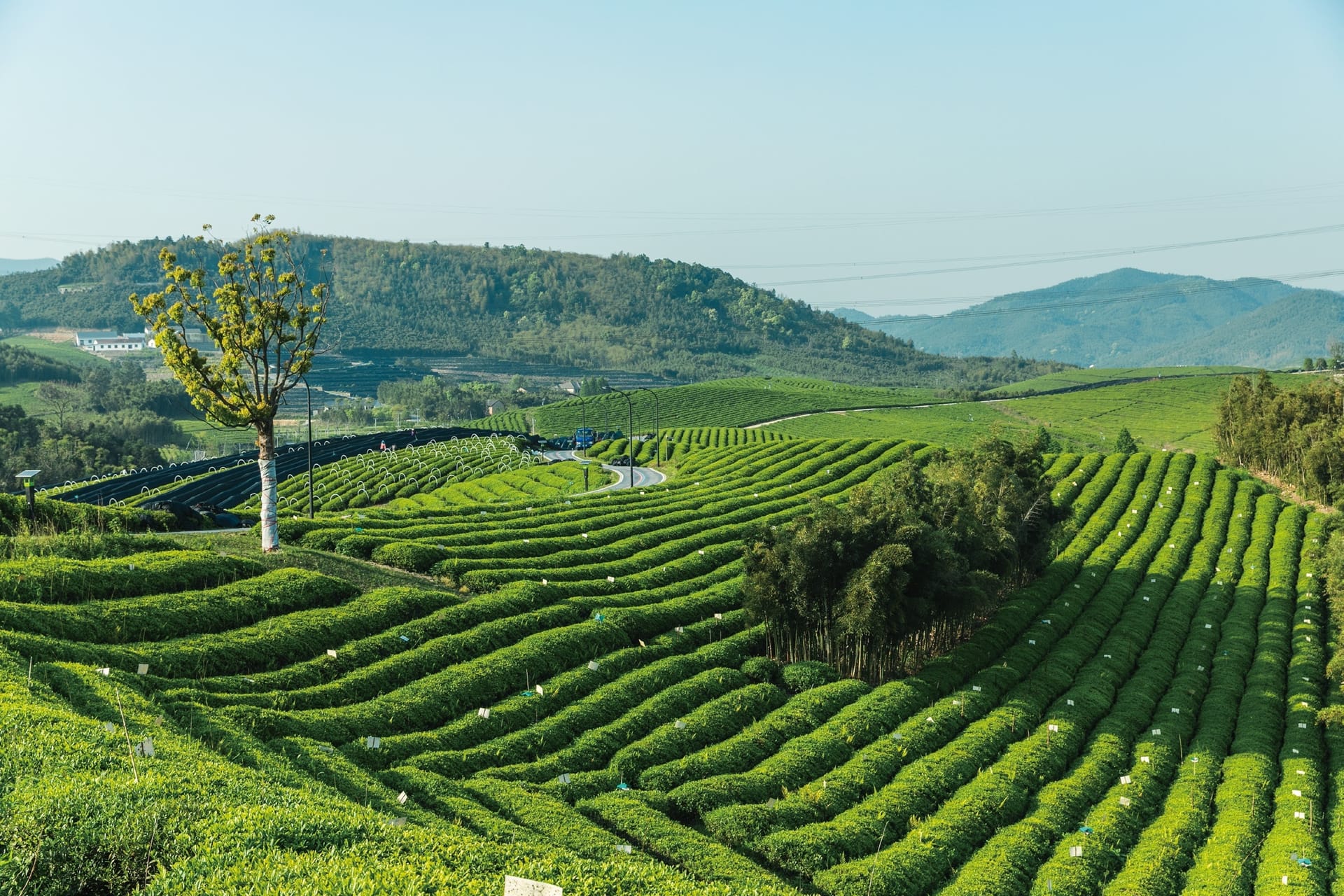
True matcha starts with shade-grown tea plants. Several weeks before harvest, the plants are covered to block direct sunlight. This increases chlorophyll production (giving matcha its vivid green colour) and boosts amino acids like L-theanine (responsible for matcha's smooth, umami-rich taste).
After harvest, the leaves are steamed, dried and stripped of stems and veins — leaving only the pure leaf tissue, known as tencha. This tencha is then stone-ground into the ultra-fine powder we call matcha.
Understanding Matcha Grades
Ceremonial Grade
This is the highest quality matcha — vibrant green, stone-ground from the first spring harvest, with a naturally sweet and umami-rich flavour. It's intended to be whisked with water and enjoyed pure, without milk or sweetener. Ideal for tea ceremonies, premium retail, and high-end wellness positioning.
Culinary Grade
Culinary matcha is produced from later harvests and offers a more robust, slightly bitter flavour profile. It's designed to work as an ingredient — blending into smoothies, baked goods, ice cream, energy bars and vending powders. It's affordable, effective, and easy to work with in high-volume settings like cafés, bakeries, and food production.
Premium / Barista Grade
Premium grade sits between ceremonial and culinary — smooth enough to enjoy on its own, but still affordable for everyday use. It blends well with milk, keeps its green colour, and has a more refined flavour than typical culinary matcha. This is what many cafés use for lattes — the sweet spot for daily drinkers and baristas who want both quality and practicality.
Want more detail on how to evaluate and choose your matcha grade? We've written a detailed guide.
Proven Health Benefits of Matcha
One of the main reasons behind matcha's popularity is its impressive health profile:
- Sustained energy without the crash: Thanks to the combination of natural caffeine and L-theanine, matcha delivers focused energy without the jitters associated with coffee.
- High antioxidant content: Matcha contains up to 137 times more EGCG (a powerful antioxidant) than traditional green tea. This supports cellular health and longevity.
- Cognitive performance: L-theanine boosts alpha brain waves, enhancing concentration, memory and mental clarity.
- Metabolism support: EGCG and caffeine may help with fat oxidation, making matcha a favourite in functional beverages.
- Immunity and detoxification: Chlorophyll and catechins in matcha support immune defence and natural detox processes.
These benefits make matcha an ideal ingredient for cafés, wellness brands, and functional product developers looking to offer more than just flavour.
What Really Defines Great Matcha?
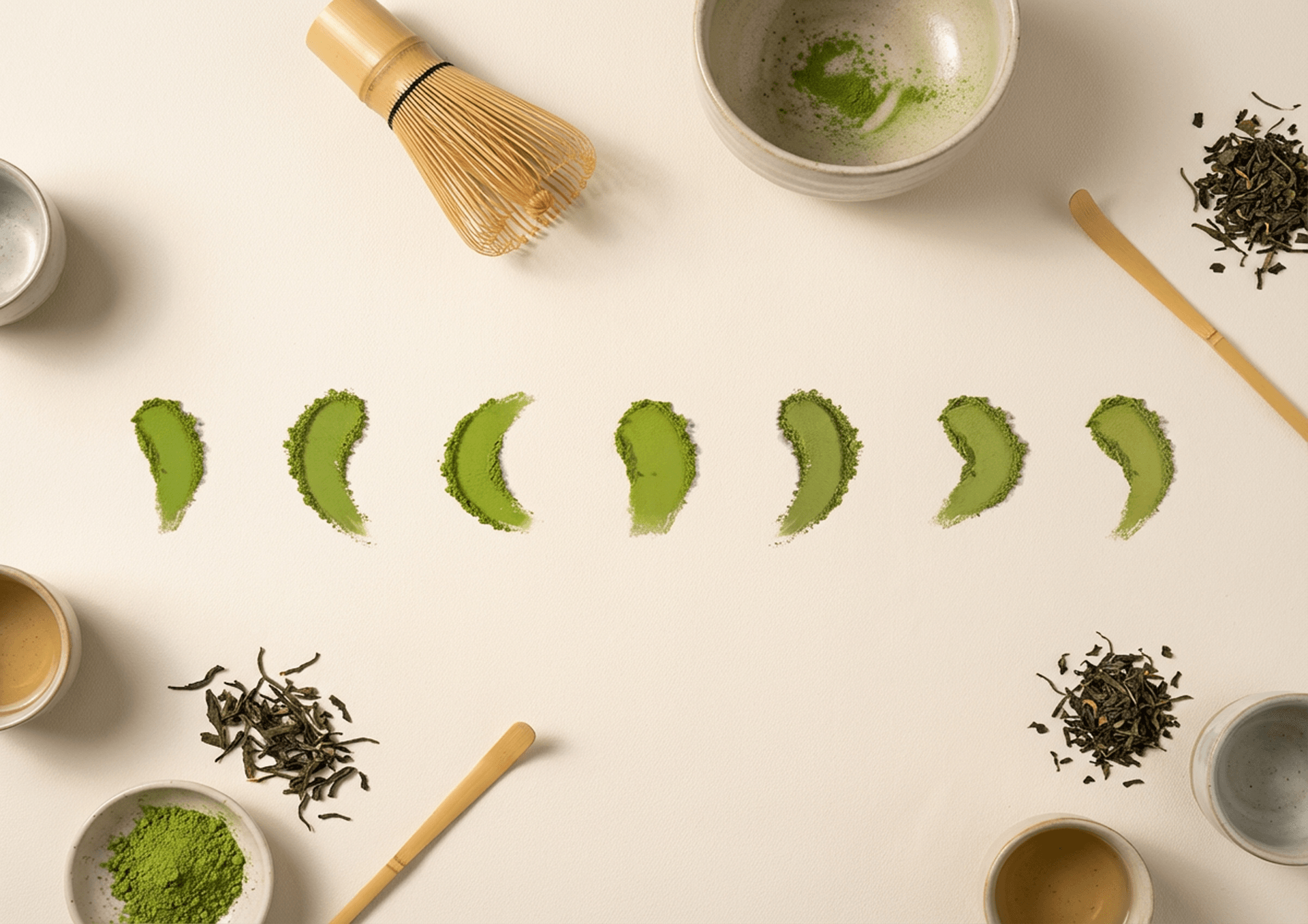
While colour is a quick visual cue (and yes, a vibrant green often signals quality), it's not the whole picture. What really defines great matcha is the taste, the aroma, the texture.
Was it hand-picked or machine-harvested? Shade-grown or not? When was it harvested — early spring or late summer? These small details create the big difference between bitter and smooth, dull and vibrant, forgettable and unforgettable.
Find the Right Matcha for Your Business
We've sourced, tested and perfected matcha blends for every need — from ceremonial to culinary. Get in touch for samples and wholesale pricing.