How to Choose the Right Matcha Grade for Your Café, Brand, or Daily Ritual
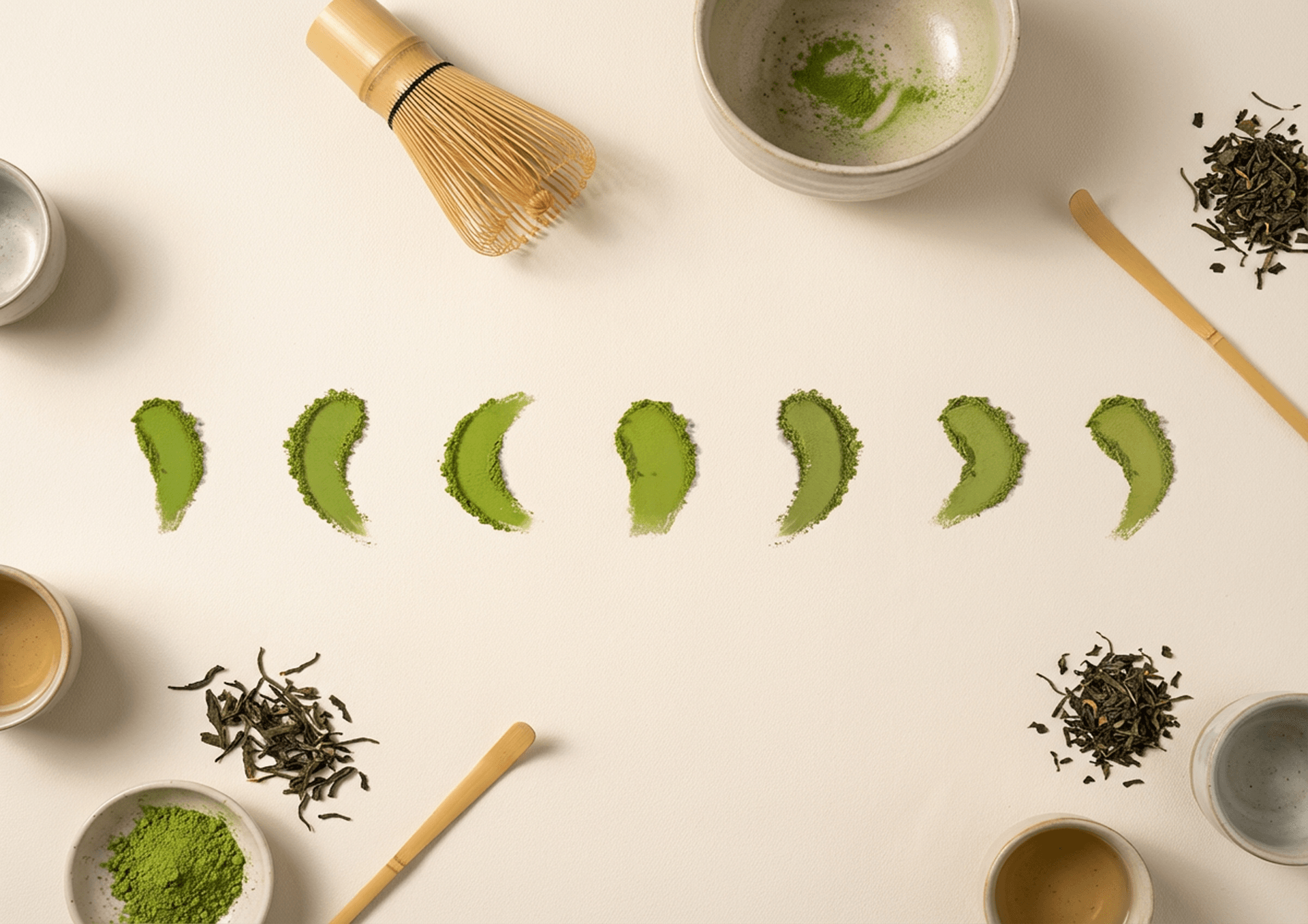
Every matcha decision begins with clarity. Are you guiding a café's menu, launching a wellness brand, or refining your daily ritual? Knowing why you're choosing matcha — and for whom — is critical.
Why There's No Official Matcha Grading — and Why It Matters
Terms like ceremonial, premium or culinary are largely marketing constructs, not regulated Japanese classifications. Supplier definitions and taste can vary drastically.
Today, many people think matcha must come from Japan — that it's the only source of quality — but mainland China produces authentic, shade-grown matcha with comparable tradition and terroir. Ultimately, purpose and proven quality matter more than romantic origin labels.
Five Key Sensory Criteria When Ordering Samples
When you request matcha samples from suppliers, evaluate each one using this checklist:
1. Colour Vibrancy
- Ideal matcha: bright emerald/grass-green for ceremonial; vibrant and even in premium; dull or olive for culinary
- Avoid: yellowish or brownish tones, which suggest oxidation or late harvest
2. Aroma
- Ceremonial: fresh, grassy, slightly sweet
- Premium: mild, clean, balanced
- Culinary: more vegetal, earthy; slight astringency is normal
3. Texture & Fineness
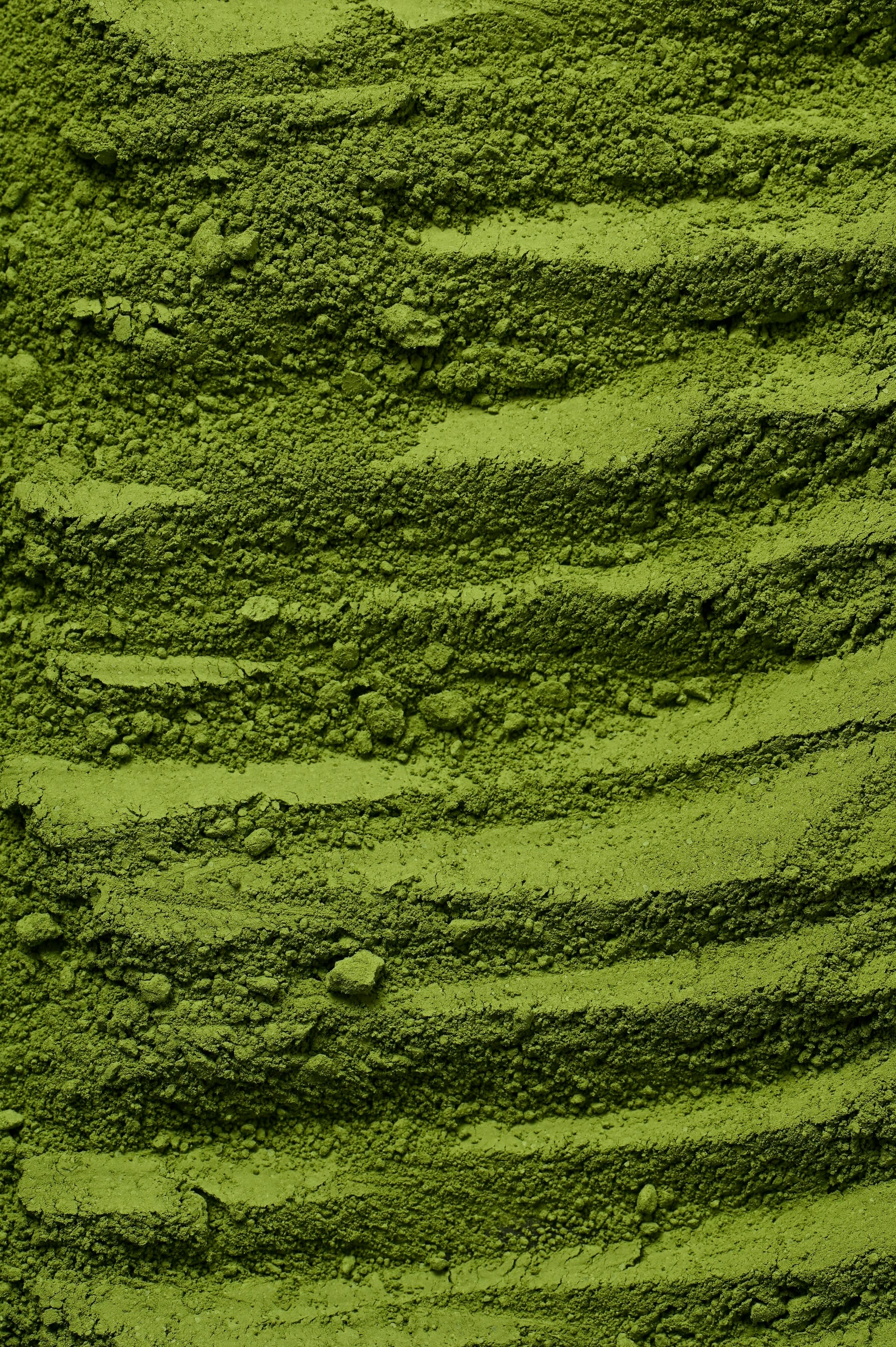
- High-quality matcha should feel silky, like fine cosmetic powder
- Grainy texture suggests poor milling or a lower grade
4. Taste Profile
- Ceremonial: naturally sweet, umami-rich, no bitterness
- Premium: smooth, slightly sweet; works well under milk
- Culinary: bold, slightly bitter; fits well into recipes
5. Price vs. Purpose Alignment
The most expensive matcha isn't always the best choice for your use case. A café serving hundreds of lattes daily needs a reliable, cost-effective premium grade — not a rare ceremonial matcha priced for tea ceremonies.
How to Evaluate Your Samples: Step-by-Step
- Whisk Test in Water: 70–80°C water, bamboo whisk — smooth foam is a good sign
- Visual Check: Observe dry powder — no chunks or dark flecks
- Milk Test: Stir into milk or alt-milk — does colour stay bright, taste hold up?
- Blind Taste: Evaluate bitterness, sweetness and aftertaste without labels
- Supplier Transparency Check: Confirm origin, harvest details and request lab results
Personalised Decision Guide
There's no one-size-fits-all matcha. Your choice should reflect who you serve:
- A meditation clientele wants depth and purity — go ceremonial
- A fast-paced café needs something bright that works well under milk — go premium
- A recipe-heavy brand wants cost-efficient consistency — go culinary
Everything hinges on your context. The grade names are convenient but optional. Trust your senses, purpose, and supplier's testing credentials.
Need Help Choosing the Right Matcha?
We'll send you a custom sample kit based on your use case — complete with harvest info and evaluation guidance.