The Matcha Supply Shift: Why Businesses Are Moving from Japan to China in 2025
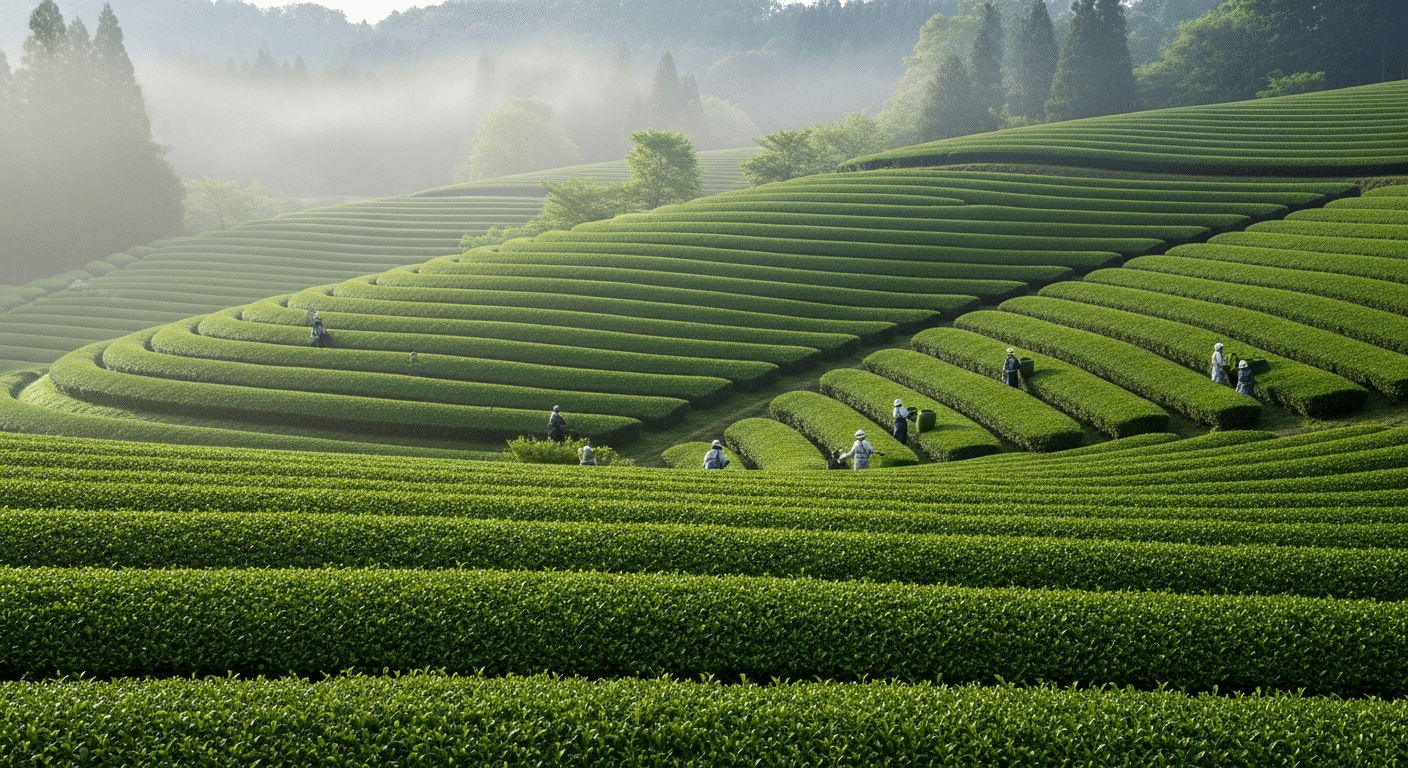
Japan has long been the world's premium matcha source, but in 2025 the cracks are showing. Record heatwaves, surging global demand, and skyrocketing prices are forcing businesses to rethink their sourcing strategy.
Key Statistic
Japan's powdered green-tea exports jumped approximately 75% in 2024, while tencha leaf prices have more than doubled. Climate stress reduced yields by as much as 25% in key growing regions.
Japan's Matcha Supply Crisis in 2025
Record heatwaves hit the Uji and Kyoto regions — key tencha-leaf producing areas — reducing yields by as much as 25%. Meanwhile, global demand has surged. As one of the leading wholesale matcha suppliers in Europe, we've seen firsthand how this demand has outpaced Japan's capacity.
Why First-Harvest Tea Leaves Matter
The premium quality that differentiates high-end matcha comes from the first spring harvest of shade-grown tea plants. Once that first flush is done, supply drops dramatically. Many Japanese producers for 2025 have already booked their entire first-flush crop and are not offering new customer allocations until the next cycle.
For large-scale users — cafés, vending, foodservice, fast food chains — this means a decisive sourcing challenge.
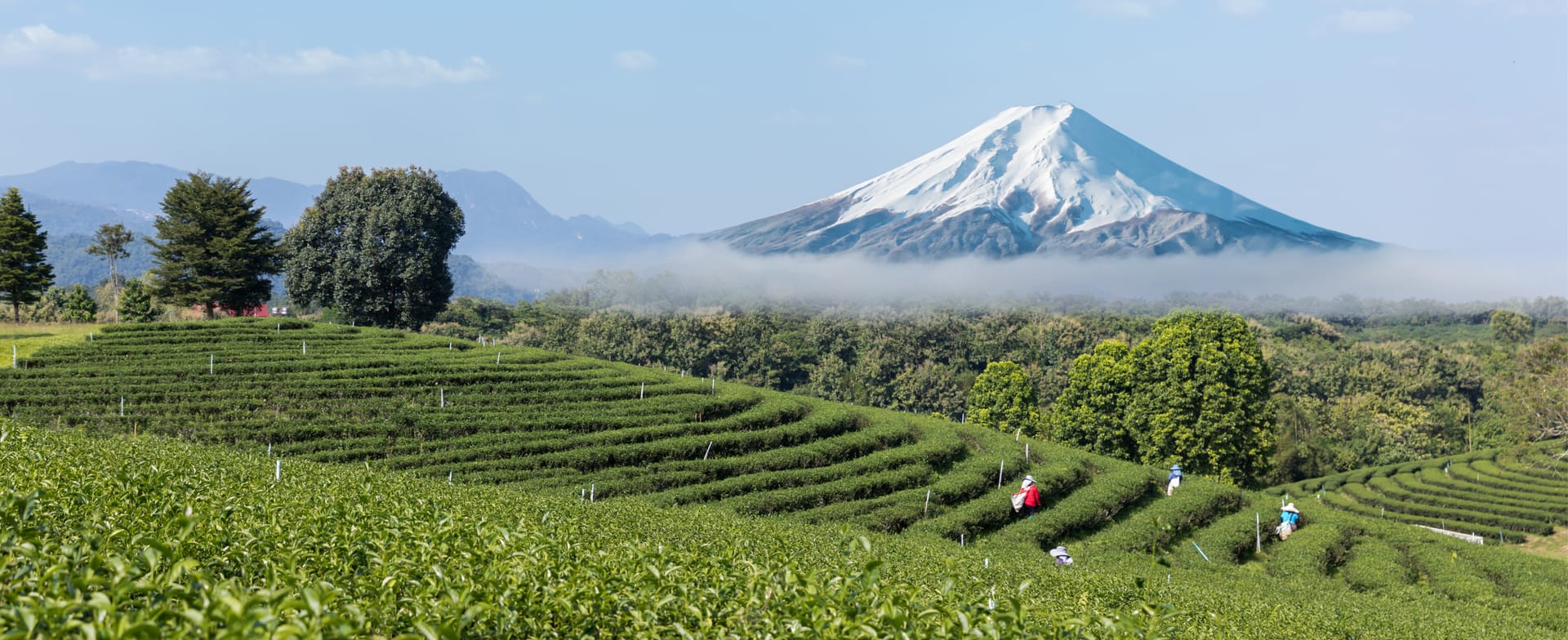
China's Matcha Emergence: The Strategic Alternative
With Japanese supply under tight constraint, many businesses are turning to China — not as a compromise, but as a strategic sourcing move.
China's Matcha Quality Has Caught Up
Historically, Chinese matcha was perceived as lower in quality. Today, regions such as Guizhou and Wuyi are enhancing cultivation, processing and export systems. China's southwest region sold over 1,200 tonnes of matcha in 2024 and is set to exceed 5,000 tonnes in 2025.
Scale, Lead-Time and Cost Advantages
China offers larger scale operations, shorter lead-times and lower landed cost compared to Japanese specialty volumes. For wholesale buyers this matters as much as origin. Our clients cut procurement lead-times by up to 40% by using our dual-origin system.
Business Implications for European Matcha Buyers
Cafés, vending operators and private label brands across Europe are feeling the pressure. Restaurants report delivery delays of 2–3 months for Japanese matcha, and cost increases threatening margins. Switching to Chinese-sourced matcha provides:
- More reliable supply chains
- Improved pricing stability
- Similar if not equivalent quality for commercial use

What the Consumer Sees
The consumer may simply want a vibrant green latte, smooth flavour and consistent taste — not necessarily the origin label. In fast-paced environments where matcha drinks are served — coffee chains, quick-service cafés, vending kiosks — customers don't ask where the powder comes from.
What truly matters is quality, consistency, and experience. And Chinese matcha delivers all three — that's why even global names like McDonald's and Starbucks use Chinese matcha across multiple markets.
It's worth remembering: matcha itself was born in China centuries ago before it was refined and popularised in Japan. The circle has simply come full — and smarter — again.
How Allreasons Navigates This Shift
At Allreasons, we offer both Japanese and Chinese origin matchas, ensuring we can supply the full spectrum of quality, quantity and price points our partners need. From small specialty cafés that demand Japanese leaves, to large-scale foodservice brands looking for consistency, speed, and volume — we make sure no business is left waiting for next spring's harvest.
By maintaining dual-origin sourcing, we give our clients security, stability, and scalability — all while keeping flavour, colour, and performance uncompromised.
FAQ
Q: Is Chinese matcha really "as good" as Japanese matcha?
A: While traditional metrics still favour Japanese for ceremonial use, recent data show China's large-scale farms in Guizhou and Wuyi are reaching competitive quality thresholds for commercial use.
Q: Why is Japanese matcha so expensive in 2025?
A: Due to climate stress, lower yields, and skyrocketing global demand, tencha leaf auction prices in Kyoto reached unprecedented levels in early 2025.
Q: Should my café switch entirely to Chinese matcha?
A: Not necessarily. For strategic positioning you might keep a premium Japanese line while sourcing high-volume formats from China to balance cost and supply risk.
Need Help with Matcha Sourcing?
We supply both Japanese and Chinese matcha in wholesale quantities. Get samples and pricing tailored to your business needs.